Why should children read funny books?
1. Comedy provides a welcome escape from the chaos of the world
Who doesn’t sometimes just need a good old belly laugh?
2. Humour helps children cope
These days, funny books for children are way more than fart jokes and toilet humour. They often carry profound and deep messages, introduce young readers to meaningful or sensitive topics, and help them to navigate difficult situations.
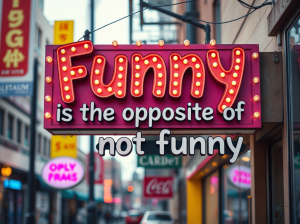
As many writers of funny books might tell you (and, yes, I am one of them), ‘funny’ is the opposite of ‘not funny’, not of ‘serious’.
In other words, something can be both funny and serious at the same time.
Without doubt, it is the author building trust with a reader through humour that allows for exploration of more sensitive issues.
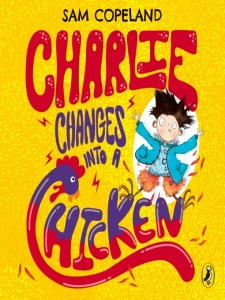
In the hilarious book, Charlie Turns Into A Chicken, by Sam Copeland, Charlie turns into different animals when he’s feeling anxious. And one of his main anxieties comes from the fact that his brother has cancer.
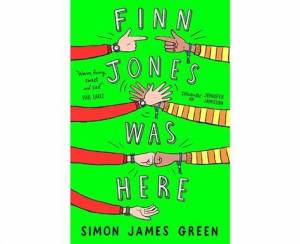
In Finn Jones was Here, by the talented writer, Simon James Green, themes of grief and death are explored through humour.
3. Laughter really can be the best medicine
A good old giggle can help counteract feelings of anxiety in children. Don’t just take my word for it, listen to scientific fact:
Laughing produces endorphins. These ‘happy hormones’ promote a sense of well-being and help relieve stress. Similarly, when we smile, levels cortisol (a stress hormone) are reduced.
So, reading a book that makes you smile or laugh, is truly beneficial for emotional well-being.
4. Sharing funny stories improves human connections
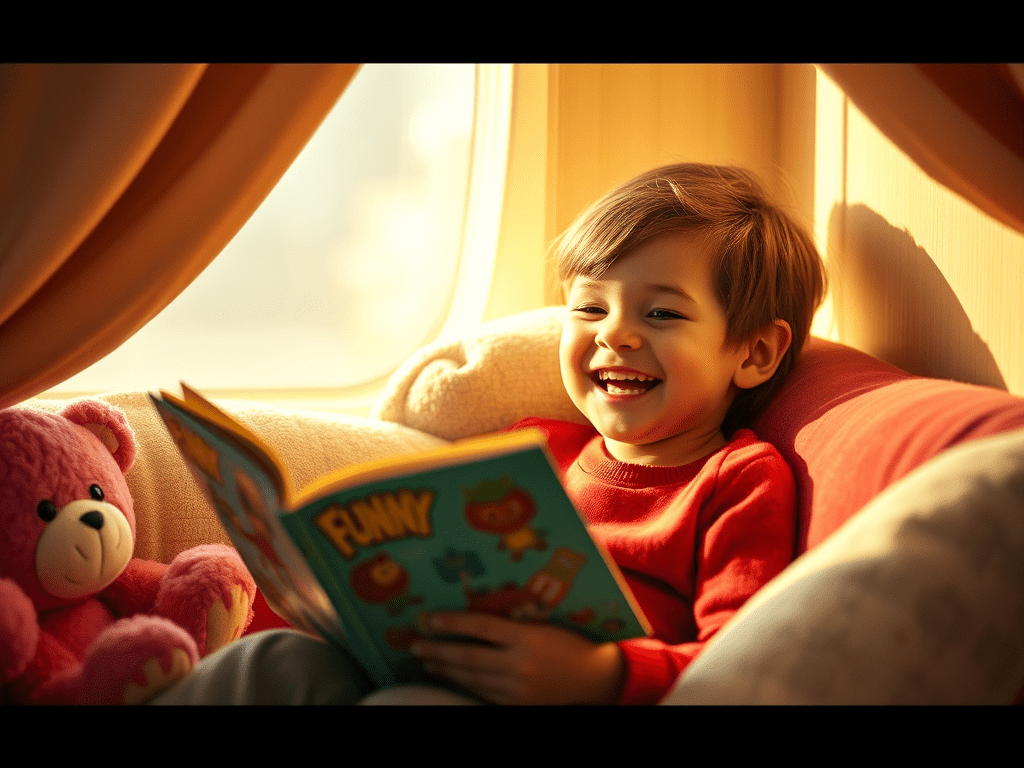
Whether through a shared read in class, or a bedtime story at home, when you laugh together, you bond better. Bonding over laughter develops trust which leads to open communication.
Reading a funny book can break down barriers and open up conversations. Once at ease, children speak more easily about sensitive topics.
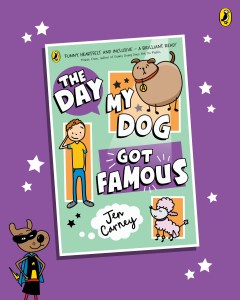
A teacher once contacted me to tell me that reading The Day My Dog Got Famous as a class reader had led to a brilliant discussion about different kinds of families, led by a child who’d lived with a foster family for a while before being adopted by two mums, just like Ferris’s.
PS the endorphins produced through laughter also promote better sleep! Winner winner.
5. Funny books can be empowering and reassuring
Humour can help children feel more comfortable, face fears or try something new. Seeing characters slip up, get into muddles and experience similar anxieties to their own can be reassuring.
Learning to laugh at yourself is a great life skill.
6. Funny books have the power to help children fall in love with reading
If a child associates reading with laughter and fun, they will have more chance of falling in love with reading.
Finding a funny book that hooks a child will entice them to read the whole series. Wimpy Kid, Loki, Dog Man – all very funny book series that have made children into readers.
PS Finding books that help children to read for pure joy is vital given that ‘reading for pleasure’ in childhood is evidenced to increase a child’s likelihood of achieving their potential in life.
7. Some funny novels have the power to compete with screens
The pay-off of a good laugh can be attractive enough to take a child away from a screen!
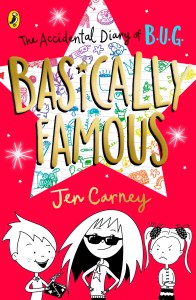
I’ll never forget the message I got from a parent who told me her son had CHOSEN to read Basically Famous instead of going on his PlayStation one evening.
And my own daughter will drop everything if there’s a new Lottie Brooks book out.
Less screentime = better mental health, in my opinion.
8. Funny books are brilliant teaching tools
We tend to remember things that make us laugh, so funny stories are brilliant for enhancing comprehension skills.
Funny books often contain moral dilemmas, so they improve social and emotional skills, and promote good decision making.
Puns, alliteration, word play, amusing similes…funny books contain them all, helping children to understand nuances of language.
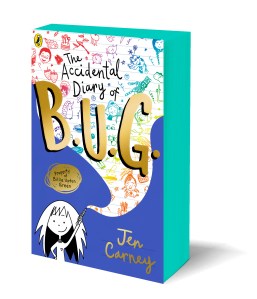
In The Accidental Diary of B.U.G., through masses of belly laughs, children are introduced to same-sex parenting and adoption – an excellent resource for PSHE/RSE lessons in primary schools when learning about different families.
I’d love to hear your thoughts. Do you have any other compelling arguments as to why children should read funny books?

 Jen Carney